
2020-04-30 12:29:42
Automotive battery technology & how it's shaping the automotive industry
As a leading automotive battery importer, Enertec Batteries (Pty) Ltd is an expert when it comes to automotive battery technology.
So, what does the future hold for automotive battery technology and how will this change the automotive industry as we know it?
Well, firstly, there has been an increasing need for power (specifically in the form of batteries) but unlike in the past, modern consumers require battery power that is clean, renewable and has as little negative impact on the environment as possible.
Currently, lithium-ion batteries are at the cutting edge of battery technology and have been making a grand entrance into the market. However, this may change in the near future to make way for batteries that are even more powerful, streamlined, denser, and cheaper. Lithium-ion batteries are ideal for applications where high power is required (e.g. regenerative braking) as they have a massive capacity.
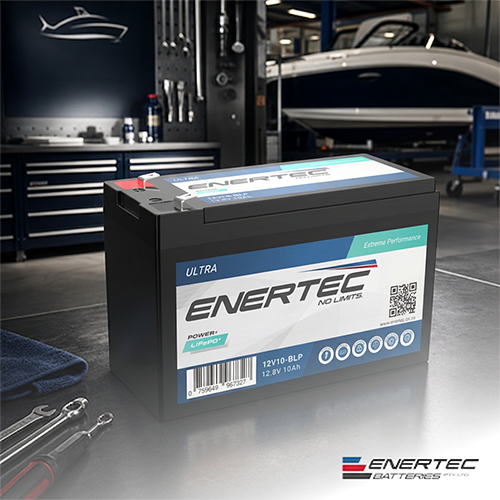
At the moment, we are also seeing lithium-ion batteries being used a great deal for automotive propulsion. A wonderful benefit of these batteries is that they can easily last for the entire lifespan of the vehicle, eliminating the need to replace the battery every few years. This increased lifespan means that they will last longer than the usual 10 years and can subsequently be used for other purposes, such as utility energy storage.
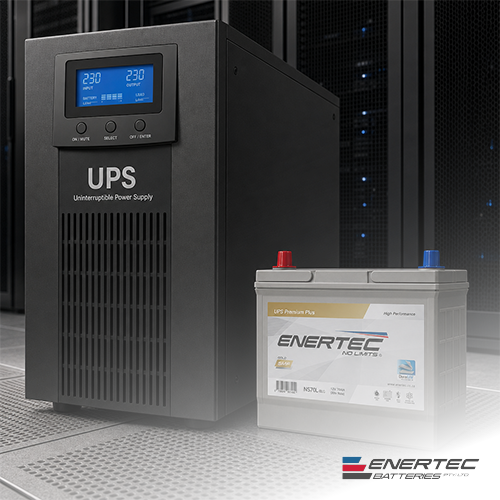
Of course, a lithium-ion battery will eventually reach the end of its usefulness and, when this happens, it can be easily recycled. That being said, the use of lithium-ion batteries will reduce the number of batteries that have to be recycled (which, in itself, can be a problem as energy is required for recycling). Lithium Ion cells also serve a very important function in their “second life” when their high power output is not required and can be repackaged or recycled into applications such as UPS and renewable energy.
With hybrid vehicles now a common and very popular type of car, more variety has become available to the market. Such hybrid vehicles have different batteries which are currently being improved upon and new batteries are also being developed. For example, currently lead-acid batteries are widely used and, although they are viewed as indispensable in the automotive industry, experts believe that this type of battery can certainly be improved upon in the coming years.
In terms of batteries in the automotive industry, improved system designs and better-charging strategies are constantly being looked at. The automotive industry can expect a future with batteries that are more energy-dense, with better charge and discharge strategies, and those that are more cost-effective. Concepts such as battery performance, battery lifetime, cycle lifetime, and improved performance in extreme temperatures are also being considered and will be integrated into newer batteries.
Of course, when it comes to automotive batteries, safety is a very important aspect and batteries of the future will certainly be safer to use.
In 2020, we are already seeing a greater number of state-of-the-art batteries. Take a look at the product offering on our website and you will be amazed at the battery technology that is now widely available!
What are you looking forward to in newer and more improved batteries? Let us know as we’d love to hear from you!