

2021-04-15 08:53:06
How Is UPS Load calculated?
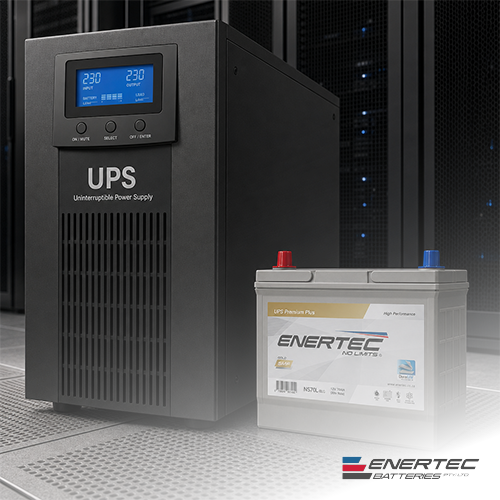
The process of devising a UPS system has many dimensions. The consideration for the battery backup time is certainly important in order to make sure that the battery lasts for the desired duration. Similarly, another key constraint is the specifications of the UPS itself. There are certain calculations that need to be done for determining whether the UPS can meet the load requirements of the battery.
The UPS rating is often measured in kiloWatt (kW) or Volt-Amperes (VA). Both of these units are ultimately used to measure power. The purpose of this rating is to show the power handling capability of the UPS. In other words, is it compatible with a load that requires the same amount of power as the UPS rating. Ideally speaking, if a UPS has a rating of 1000VA or 1 kVA, it should be able to work with a load of 600W. This is not true in the real world due to certain limitations.
The first thing to note is the fact that no device in the world is 100% efficient. This means that some power is wasted internally within the components of the UPS. That is why the rated load capacity of the UPS is multiplied with a power factor (usually 0.8 or 0.9). After adjusting the UPS rating according to the power factor, we also consider some best practices.
It is never ideal to operate at exact boundaries, so we make further allowances to ensure that the UPS has some leftover capacity. The purpose of this approach is to lower the chances of a malfunction or overload in the UPS. When both of the aforementioned adjustments are combined, the recommended load capacity of the UPS is around 0.6 of its rated capacity.
For instance, a 1kW UPS can safely work with a load of 600W, bearing in mind that some appliances will need a momentary power of up to double their running consumption on startup.