2021-03-22 11:45:10
How Long Will My UPS Last On Battery Power?
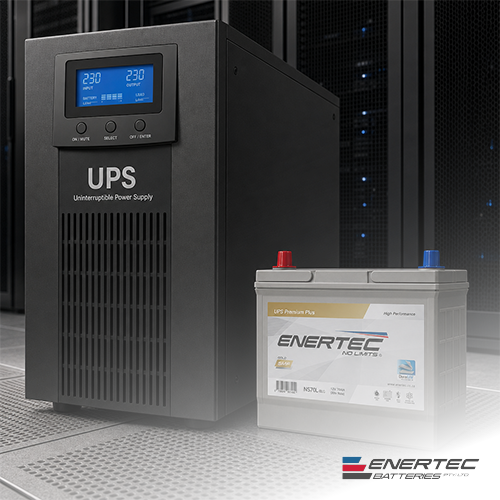
Among the most common questions about a UPS system, the question on how long a UPS runs on battery power is fairly high on the list. One can pick the best UPS on the basis of its general characteristics. This can ensure that the UPS would work well with its applied loads without causing any issues. This, however does not address the dimension of backup time.
In order to understand this aspect, one needs to look at some technical specifications of the UPS and the batteries. By doing so one can develop a rough idea of the expected backup time and proceed ahead accordingly.
Before starting with the process, one needs to study the power consumption of the location where the UPS system would be installed. One may need to list down the Wattage of the appliances or electronics which are going to be connected to the UPS system. While doing so, both the start-up current and the running Wattage needs to be incorporated. For instance, after summing up the Wattage, our total load comes out as 500W.
Our selection of UPS would depend on our load since it is recommended that the load should be around 3/5 of the UPS’s rating. In our test case a 1000 VA UPS is perfectly fine for supporting the load. The next consideration is the battery’s Voltage and Amp-hour rating.
If our battery is rated 12V 150Ah then we can find an estimated backup time using the formula: (battery Voltage x battery Ah rating) / total load in Watts. If we plug in the values in the formula that we have taken for our example, the answer we would get is 3.6 hours. There is no definite answer for a battery backup time but by applying this fairly straightforward calculation, one can get a reasonable estimate of the time duration.