

2021-04-30 09:34:25
Is Inverter And UPS Same?
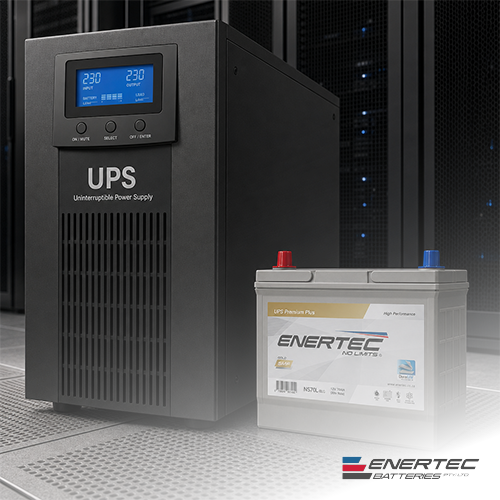
The UPS is basically a collection of different components. It can be seen as a system that operates to ensure that power supply is not disturbed in the event of breakdown or malfunction of incoming mains current.
The inverter is a key part of this entire system and often generates different queries. This is because an inverter is often referred to as UPS. As a result, it is easy to get confused between these two terms.
An inverter can be seen as either a simple UPS setup or a part of a larger more sophisticated UPS. In other words, a proper UPS usually contains various components like a rectifier, charge controller and spike filter which serve to ensure that the battery is charged properly, and, in an event of an outage, the battery provides the necessary power for the load.
The inverter’s main function is to convert DC power into AC power and can perform the same general function as a UPS. Furthermore, an inverter can serve a more general purpose as well where it functions as an additional component in system of electronics found in homes and workplaces.
The choice for opting for an inverter or a whole UPS system comes with its trade-offs. The inverter is the more cost-effective option, but it comes with lesser features. One major difference in features is the lack of protection from power fluctuations.
The UPS normally has the protection mechanism in place to protect the load from any damage. The slower switching rate of the inverter also contributes to this problem. That is why an inverter is suitable for domestic use only and it is better to use a proper UPS system in a professional environment which has sensitive electronics.