2020-06-15 18:22:58
Leisure Batteries Explained
If you retail or sell camping, fishing, or equipment for the great outdoors, you have probably been asked about leisure batteries. So, what exactly is a leisure battery and how can it help make your customer's life easier when camping?
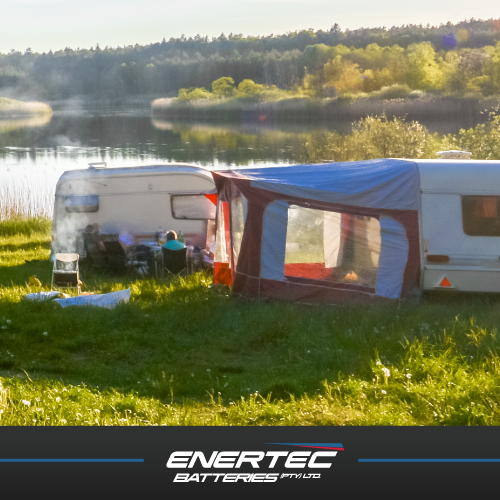
A leisure battery is your power source for all equipment and appliances (12V) in either a motorhome, caravan or site where power from the grid is not available. A leisure battery will provide a constant level of power for a long period and can be used for small appliances, lighting, and similar equipment that requires a power source. Therefore, with a good quality leisure battery, people can enjoy all the comforts of home, while being out in nature
Most new caravans do not come with a leisure battery supplied. Many motorhomes will have a battery installed. Reliable leisure batteries are a good investment when it comes to supplying a steady source of power for long durations of time and an acceptable life span.
Technically speaking, a leisure battery differs from a regular car battery in design and performance. That said, if you have a problem with no access to a replacement battery, you could possibly use one in place of the other on a short-term basis. Be sure to advise your customers to do this only for a short period of time. Ensure your service provider clearly verifies the capabilities of the batteries in your application.
A car battery (SLI) is designed to supply high current to the starter motor for short periods of time. It may also supply low current loads for a short period of time. A car battery has thinner plates with a bigger surface area to supply high current for a short duration of time. It is not advisable to use car batteries in leisure or cyclic applications.
The construction of a leisure battery differs in that it is designed to supply secondary power requirements for electronic loads (other than starting). Leisure battery plates are smaller in surface area but thicker in design for low current long duration periods. Some leisure batteries serve a dual role in that they may have starting ability characteristics. Please check with your service provider.
Either way, if your customers are caravan or motorhome enthusiasts, sooner or later you will have to deal with the intricacies of a leisure battery and be prepared if a problem should occur with the batteries you supply. Understanding leisure battery’s performance characteristics will help you to advise on proper application criteria and maintenance requirements, ensuring maximum performance and enhancing the lifetime of your battery.
Leisure batteries may be broadly defined as:
1. Lead Acid – (Wet Vented)
2. Lead Acid – (Wet Sealed)
3. Lead Acid – AGM (Absorbed Glass Mat)
4. Lead Acid – GEL
5. Lithium Ion
Sub Categories
1. Lead Acid (Wet Vented)
a. SLI – Starting, Lighting, Ignition
b. Some special lead acid wet batteries with enhanced technologies may be used in semi traction applications
2. Lead Acid (Wet Sealed)
a. SLI - Starting, Lighting, Ignition
b. Secondary power supply for low level cyclic applications
3. Lead Acid – AGM (Absorbed Glass Mat)
a. SLI - Starting, Lighting, Ignition
b. With different plate technology – deep cycle applications
4. Lead Acid – GEL
a. Deep Cycle Applications
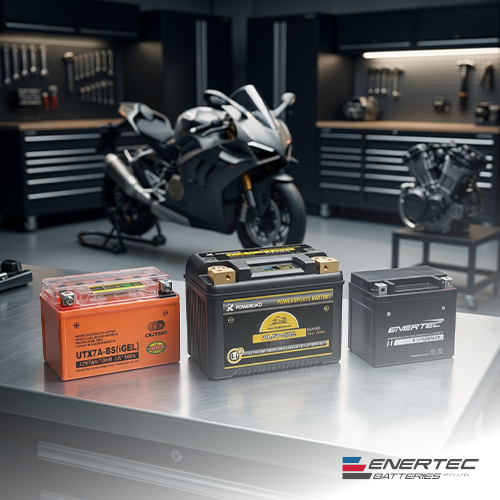
b. Some smaller models are used as SLI for motorcycle applications
5. Lithium Ion
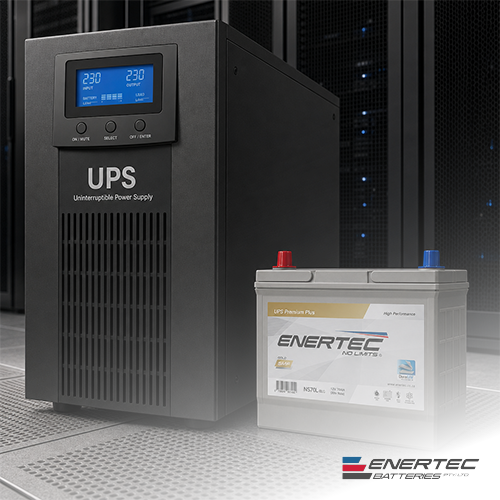
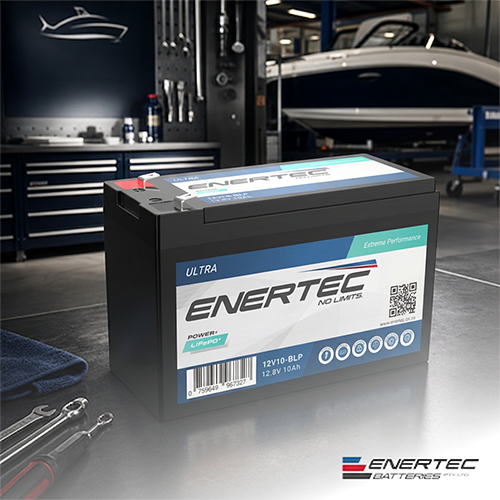
a. Mainly used in Solar, UPS, Standby and Leisure Applications
b. Some Lithium Ion are designed for SLI
Maintenance-free batteries require as the name suggests, much less upkeep and care than traditional lead-acid batteries. They do not have removable caps to check acid levels and to top up with water. As a result, charging voltages and current are very important.